
California Health & Safety Code 11364 HS: Possession of Drug Paraphernalia
Under Health and Safety Code 11364 HS, it is illegal to possess any device, contrivance, instrument, or paraphernalia used to unlawfully inject or consume controlled substances.
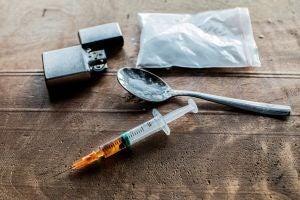
While HS 11364 is generally charged as a misdemeanor, a conviction results in a permanent criminal record, potential jail time, and significant fines.
Understanding what qualifies as paraphernalia, how prosecutors prove intent, and available defense strategies is essential for protecting your record.
Quick Reference Summary: HS 11364 Paraphernalia Charges
|
Legal Factor |
Details & Specifications |
| Statute | California Health & Safety Code § 11364 HS |
| Offense Classification | Misdemeanor |
| Maximum Penalties | Up to 6 months in county jail; up to $1,000 fine plus court assessments |
| Core Prosecution Burden | Control over item + knowledge of presence + knowledge of drug character + intent for drug use |
| Common Paraphernalia | Glass pipes, crack pipes, syringes/needles, burnt spoons, modified ingestion tools |
| Pretrial Diversion Eligible? | Yes (e.g., PC 1000 or Deferred Entry of Judgment for eligible defendants) |
Legal Definition & Elements of Possession (HS 11364)
To secure a conviction under HS 11364, a prosecutor must prove all four legal elements beyond a reasonable doubt:
-
Control or Possession: You had actual (on your person), constructive (in a car or home you control), or joint control over the item.
-
Knowledge of Presence: You knew the item was in your location.
-
Knowledge of Purpose: You knew the item was designed or intended to ingest or prepare a controlled substance.
-
Intent for Use: The item was used, or intended for immediate use, to consume illegal narcotics (e.g., methamphetamine, cocaine, heroin, or PCP).
Statutory Exception: Under HS 11364.1, hypodermic needles or syringes obtained from an authorized exchange program or pharmacy for personal use are exempt from prosecution up to specific statutory limits to promote public safety.
Common Examples of Drug Paraphernalia
Many household or commercial objects are completely legal on their own. An item becomes illegal drug paraphernalia only when linked to controlled substance use through physical evidence (like residue) or surrounding circumstances.
-
Inhalation Devices: Glass pipes, water pipes, bongs, or modified vaporizers containing drug residue.
-
Injection Tools: Needles, tourniquets, hypodermic syringes, or burnt spoons used for melting substances.
-
Preparation & Consumption: Miniature spoons, modified straws, or homemade devices adapted for drug inhalation.
HS 11364 Legal Scenarios
-
Scenario A (Lack of Constructive Possession): Police find a methamphetamine pipe under the passenger seat of a rideshare vehicle. Because three passengers were in the vehicle and no fingerprints, statements, or residue link the pipe specifically to the defendant, the prosecution fails to establish constructive possession.
-
Scenario B (Unlawful Fourth Amendment Search): Officers perform an illegal search of a pedestrian's backpack during an unconstitutional detention and find a glass pipe. The defense files a Motion to Suppress Evidence (PC 1538.5), resulting in the exclusion of the evidence and the dismissal of the case.
Penalties & Collateral Consequences for HS 11364
A conviction for possessing drug paraphernalia carries both direct criminal penalties and long-term collateral consequences.
Criminal Penalties
As a California misdemeanor offense, a conviction under HS 11364 carries:
-
Jail Time: Up to 6 months (180 days) in a California county jail.
-
Fines: A base fine of up to $1,000, which can significantly increase after mandatory state and county penalty assessments are applied.
-
Summary Probation: Up to 1 to 3 years of informal probation with court conditions, such as random drug testing or substance counseling.
Alternative Sentencing & Drug Diversion
First-time and non-violent offenders frequently qualify for court-ordered drug diversion programs under Penal Code 1000 (PC 1000) or Proposition 36. Under these programs:
-
The court suspends criminal proceedings while you complete drug education classes or treatment.
-
Upon successful completion, the judge dismisses the HS 11364 charge completely, allowing you to legally state you were not convicted.
Professional & Collateral Consequences
Beyond court penalties, a misdemeanor conviction remains on your public background check, potentially leading to:
-
Professional License Suspension: Impacting licenses held by real estate agents, teachers, contractors, healthcare workers, and attorneys.
-
Employment & Housing Issues: Difficulty passing routine background checks.
-
Immigration Consequences: Non-citizens may face adverse immigration consequences depending on their criminal history.
Common Defense Strategies
A skilled criminal defense attorney can challenge an HS 11364 charge using several established defense angles:
-
Unlawful Search & Seizure: If law enforcement lacked reasonable suspicion for a traffic stop or probable cause for a search, any seized evidence must be suppressed under the Fourth Amendment.
-
Lack of Possession or Control: Showing the item belonged to a roommate, passenger, or family member and was not under your direct control.
-
Lack of Knowledge: Establishing that you were unaware the object was present in a shared vehicle, bag, or dwelling.
-
Item Lacks Drug Intent / No Residue: Proving the object has a legitimate, legal purpose (e.g., tobacco pipe, crafting tools) and contains zero controlled substance residue.
Related California Drug Offenses
-
HS 11350 – Possession of a Controlled Substance: Unlawful possession of narcotics like cocaine or heroin (misdemeanor under Proposition 47).
-
HS 11377 – Possession of Methamphetamine: Misdemeanor possession of non-narcotic controlled substances.
-
HS 11351 / 11378 – Possession for Sale: Felony charges alleging intent to distribute drugs, often evidenced by scales or packaging materials.
-
HS 11550 – Under the Influence of a Controlled Substance: Misdemeanor prohibiting being actively impaired by an illegal substance.
Frequently Asked Questions (FAQ)
Is possession of drug paraphernalia a felony in California?
No. HS 11364 is a misdemeanor. However, it can be filed alongside felony drug charges like possession for sale (HS 11351/11378).
Can I be charged under HS 11364 if no actual drugs were found?
Yes. You can be charged with possession of paraphernalia even if no usable quantity of drugs is recovered, provided there is chemical residue, admissions, or circumstantial evidence showing the item was intended for drug use.
Will an HS 11364 charge go on my permanent record?
A conviction will appear on your criminal background check. However, successfully completing a drug diversion program under Penal Code 1000 or getting the charge dismissed preserves a clean record.
What if the pipe or syringe belongs to someone else in my car?
The prosecutor must prove that you personally exercised control over the item or knowingly shared control. Mere proximity to someone else's paraphernalia does not constitute legal possession.
Can I get drug diversion for an HS 11364 charge?
Yes. First-time or non-violent offenders charged under HS 11364 typically qualify for pretrial diversion programs (such as PC 1000). Upon successful completion of the educational classes, the court dismisses the charges.
What if I am caught with a syringe from a pharmacy?
Under California law, possessing hypodermic needles or syringes obtained from a licensed pharmacy or needle exchange program for personal safety is protected by public health exceptions, provided statutory guidelines are met.
Contact Experienced Defense Counsel
Even a misdemeanor drug paraphernalia charge can harm employment background checks, professional licensing, and housing opportunities.
Eisner Gorin LLP routinely helps clients defend against California drug charges, secure diversion programs, and achieve charge dismissals. Schedule your consultation by calling (818) 781-1570 or using the contact form.
 If you have one phone call from jail, call us! If you are facing criminal charges,