
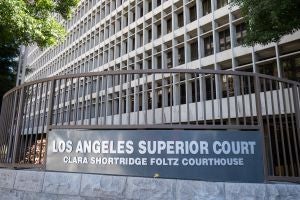
Clara Shortridge Foltz Criminal Justice Center: Guide to the Downtown Los Angeles Criminal Courthouse
Immediate Legal Representation & Immediate Case Evaluation: If you or a loved one faces criminal charges in downtown Los Angeles, your proceedings will likely occur at the Clara Shortridge Foltz Criminal Justice Center (CJC).
Contact the California criminal defense attorneys at Eisner Gorin LLP immediately at (818) 781-1570 or submit a confidential request online to protect your constitutional rights, secure bail release, and build an aggressive defense strategy.
Courthouse Location & Essential Visitor Information
The Clara Shortridge Foltz Criminal Justice Center (CJC) serves as the primary judicial headquarters for adult felony and complex criminal matters in Los Angeles County.
|
Key Details |
Courthouse Information |
| Facility Name | Clara Shortridge Foltz Criminal Justice Center (CJC) |
| Address | 210 West Temple Street, Los Angeles, CA 90012 |
| Jurisdiction | Downtown Los Angeles Adult Criminal Division (In-Custody & Out-of-Custody) |
| Court Services | Arraignments, Pretrial Hearings, Preliminary Examinations, Jury Trials, Post-Conviction Motions |
What Cases Are Handled at the Clara Shortridge Foltz Courthouse?
As one of the largest criminal court facilities in California, the Clara Shortridge Foltz Criminal Justice Center manages high-volume case filings across all severity levels:
-
Misdemeanor Offenses: Lower-level criminal charges including Driving Under the Influence (DUI), petty theft, shoplifting, simple assault (PC 240), simple battery (PC 242), and public intoxication (PC 647(f)).
-
Felony Offenses: High-stakes felony prosecutions such as drug trafficking, commercial burglary (PC 459), robbery (PC 211), felony domestic violence (PC 273.5), weapons offenses, and complex white-collar crimes.
-
Arraignments & Custody Matters: Initial judicial appearances for in-custody and out-of-custody defendants to review formal filings, set bail pursuant to California Penal Code Section 1270, and establish statutory timelines.
-
Pretrial Litigation & Evidentiary Motions: Critical hearings involving constitutional challenges, such as PC 1538.5 motions to suppress unlawfully seized evidence and PC 991 motions for early case dismissal.
-
Jury & Bench Trials: Full evidentiary trials before a judge or jury for unresolved felony and misdemeanor complaints.
-
Post-Conviction Proceedings: Formal sentencing hearings, probation violation hearings, expungements, and motions to modify or terminate terms of probation.
What Happens During Proceedings at the CJC Courthouse?
Criminal matters at 210 West Temple Street progress through a strict statutory timeline designed to evaluate state evidence and enforce due process:
1. Arraignment (Initial Appearance)
The formal entry into the court system where the judge presents the formal complaint, advises you of your constitutional rights, addresses bail release conditions under PC 1270, and receives your initial plea (typically Not Guilty).
2. Bail & Pretrial Custody Determination
The court evaluates custody status based on community ties, flight risk, and public safety parameters, determining whether to grant release on Own Recognizance (O.R.), impose supervised release, or set monetary bail according to the Los Angeles County Bail Schedule.
3. Pretrial Conferences & Discovery
Your defense counsel reviews mandatory prosecution discovery (police reports, body-cam footage, lab tests) and conducts negotiations with the Los Angeles County District Attorney or City Attorney to secure charge reductions or case dismissals.
4. Pretrial Evidentiary Motions
Strategic legal challenges filed by your attorney to suppress illegally obtained evidence under California Penal Code Section 1538.5 or dismiss charges lacking basic probable cause under California Penal Code Section 991.
5. Preliminary Hearings (Felony Cases)
Under California Penal Code Section 859b, felony defendants have a right to an evidentiary hearing where the judge determines if sufficient probable cause exists to hold the defendant for trial.
6. Trial Proceedings
If a negotiated settlement is not reached during the pretrial phase, the case advances to a jury or bench trial where the state must prove guilt beyond a reasonable doubt.
7. Sentencing & Post-Conviction Resolution
Following a conviction or negotiated plea agreement, the judge issues penalties such as probation, community service, fines, or state prison/county jail custody.
What to Expect When Arriving at 210 West Temple Street
-
Security Screening: All visitors must pass through airport-style security, metal detectors, and X-ray screening at the main courthouse entrances.
-
High Volume & Wait Times: As a central downtown hub, courtrooms handle large calendars; expect long delays and dress in appropriate business attire.
-
Courtroom Navigation: Check posted directory boards on the main floor or consult court staff to confirm your designated department and courtroom floor.
Essential Constitutional Protections in Criminal Court
Defendants facing criminal charges in Los Angeles County maintain core protections under the United States Constitution and California state law:
-
Sixth Amendment Right to Counsel: The absolute right to retain an experienced private criminal defense attorney to advocate on your behalf at every stage.
-
Fifth Amendment Privilege Against Self-Incrimination: The right to remain silent; statements made to law enforcement or in open court can be used against you by prosecutors.
-
Fourteenth Amendment Due Process: Guaranteeing a fair hearing, adequate notice of charges, and an impartial judicial process.
Defense Strategies Executed by Experienced Counsel
An aggressive legal defense at the Clara Shortridge Foltz Criminal Justice Center relies on early intervention and strategic motion practice:
-
Suppressing Illegal Evidence: Filing a motion under PC 1538.5 to exclude physical evidence or statements obtained via unconstitutional searches and seizures.
-
Motion for Early Case Dismissal: Challenging misdemeanor complaints lacking basic probable cause under PC 991.
-
Pre-Trial Settlement & Charge Reductions: Negotiating directly with prosecutors to reduce felony charges to misdemeanors or secure non-custodial diversion programs.
-
Trial Representation: Exposing weaknesses in prosecution witness testimony, presenting defense experts, and establishing reasonable doubt before a jury.
Key California Statutes Governing Cases at CJC
-
California Penal Code Section 1270 (Bail & O.R. Release): Sets legal parameters governing when a defendant is entitled to Own Recognizance release for non-capital offenses.
-
California Penal Code Section 1538.5 (Motion to Suppress Evidence): Authorizes defendants to challenge evidence obtained through illegal, warrantless searches or Fourth Amendment violations.
-
California Penal Code Section 859b (Felony Preliminary Hearing Timelines): Establishes the statutory right to a preliminary examination within 10 court days of arraignment for felony offenses.
-
California Penal Code Section 991 (Misdemeanor Probable Cause Motion): Permits in-custody misdemeanor defendants to seek immediate case dismissal if the complaint lacks evidentiary support.
Frequently Asked Questions (FAQs)
Where is the Clara Shortridge Foltz Criminal Justice Center located?
The courthouse is located at 210 West Temple Street, Los Angeles, CA 90012, in downtown Los Angeles near Grand Park and the Civic Center.
What types of criminal cases are heard at 210 West Temple Street?
The CJC courthouse handles the full spectrum of adult criminal matters in downtown Los Angeles, ranging from misdemeanor DUIs and domestic battery to serious felony filings like robbery, drug trafficking, and homicide.
Do I need a criminal defense attorney for my CJC court appearance?
Yes. Having an experienced defense attorney represent you at the Clara Shortridge Foltz Courthouse ensures your rights are protected during bail arguments, evidentiary discovery review, and pretrial negotiations.
What happens if I miss my scheduled court date at the CJC courthouse?
Failing to appear (FTA) typically results in the judge issuing an immediate bench warrant for your arrest, forfeiting posted bail, and potentially adding separate failure-to-appear criminal charges under California Penal Code Section 1320.
Can my criminal charges be dismissed before trial at this courthouse?
Yes. Charges can be dismissed during the pretrial phase through successful PC 991 motions, PC 1538.5 suppression motions, insufficient evidence rulings at preliminary hearings under PC 859b, or negotiated dismissals with prosecutors.
Consult with a LA Defense Lawyer Today
If you have an upcoming court appearance at the Clara Shortridge Foltz Criminal Justice Center (210 W Temple St, Los Angeles, CA 90012), do not navigate the system alone. Early intervention by skilled defense counsel can significantly alter the outcome of your case.
Our legal team provides strategic defense representation for clients facing charges across Los Angeles County.
-
Firm Name: Eisner Gorin LLP
-
Immediate Phone Assistance: (818) 781-1570
-
Headquarters: Los Angeles, California
-
Consultation Status: Confidential & Available 24/7
 If you have one phone call from jail, call us! If you are facing criminal charges,