
Federal Drug Trafficking – 21 U.S.C. § 841
Federal drug trafficking charges under 21 U.S.C. § 841 are among the most serious drug crimes prosecuted in the United States.
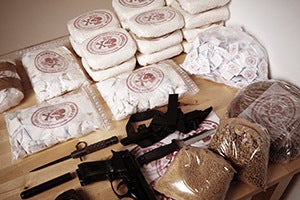
Drug trafficking generally involves the manufacture, sale, distribution, transportation, or importation of controlled substances. These cases are aggressively investigated by federal authorities and prosecuted by the U.S. Department of Justice.
While many drug cases begin in state court, trafficking cases often move to federal court when the alleged activity involves large quantities of drugs, interstate transportation, organized crime networks, or international drug operations.
Federal prosecutors have significant investigative resources, and convictions can result in long prison sentences, mandatory minimum penalties, and substantial fines.
If you are facing federal drug trafficking charges, understanding the law and potential defenses is critical to protecting your rights and your future.
Your best chance for a positive outcome is working with an experienced California federal criminal defense attorney at Eisner Gorin LLP. To set up a consultation, feel free to call us at (818) 781-1570 or reach out to us here.
What Is Drug Trafficking?
Drug trafficking generally refers to illegal activities involving the production, distribution, transportation, or sale of controlled substances.
Unlike simple drug possession—which typically involves drugs intended for personal use—drug trafficking usually involves commercial activity or distribution to others.
Examples of trafficking activity may include:
-
selling illegal drugs to others
-
transporting drugs across state lines or national borders
-
importing drugs into the United States
-
possessing large quantities of drugs intended for distribution
Federal trafficking cases frequently involve drugs such as:
-
heroin
-
cocaine
-
fentanyl
-
methamphetamine
-
marijuana
-
ecstasy (MDMA)
-
oxycodone and other prescription narcotics
Federal prosecutors may charge someone with trafficking even if drugs were not actually sold, as long as there is evidence showing intent to distribute.
Possession vs. Drug Trafficking
The difference between simple possession and trafficking often depends on intent and quantity.
Possession generally involves:
-
small quantities of drugs
-
drugs intended for personal use
Trafficking charges may arise when authorities find:
-
large quantities of drugs
-
drug packaging materials
-
digital scales used to weigh drugs
-
large amounts of cash
-
evidence of sales or distribution
Even without direct evidence of sales, prosecutors may argue that the quantity of drugs alone suggests intent to distribute.
What Is a Controlled Substance?
Under federal law, a controlled substance is any drug or chemical regulated by the federal government because of its potential for abuse or dependence.
The Controlled Substances Act classifies drugs into five schedules based on their medical use and risk of abuse.
Schedule I
Drugs with no accepted medical use and a high potential for abuse, including:
-
heroin
-
LSD
-
ecstasy
-
peyote
-
marijuana (under federal law)
Schedule II
Drugs with high potential for abuse but accepted medical uses, including:
-
cocaine
-
oxycodone
-
Vicodin
Schedule III
Drugs with moderate risk of dependence, such as:
-
anabolic steroids
-
ketamine
-
testosterone
Schedule IV
Drugs with lower abuse risk, including:
-
tramadol
-
Ambien
-
Darvocet
Schedule V
Drugs with the lowest abuse risk, such as certain prescription medications containing small amounts of narcotics.
The schedule classification often affects the severity of penalties in drug trafficking cases.
Federal Drug Trafficking Penalties
Federal drug trafficking penalties depend largely on two factors:
-
Type of drug involved
-
Quantity of the drug
Many federal drug offenses carry mandatory minimum prison sentences.
Career offender status under the United States Sentencing Guidelines §4B1.1 can be one of the most significant sentencing enhancements in federal court.
Five-Year Mandatory Minimum
A five-year mandatory minimum sentence may apply when trafficking involves quantities such as:
-
1 gram of LSD
-
100 grams of heroin
-
5 grams of methamphetamine
-
500 grams of cocaine
Ten-Year Mandatory Minimum
A ten-year mandatory minimum sentence may apply when trafficking involves larger amounts such as:
-
10 grams of LSD
-
1 kilogram of heroin
-
50 grams of methamphetamine
-
5 kilograms of cocaine
For example, trafficking 1,000 kilograms or more of marijuana may result in a sentence ranging from 10 years to life in federal prison.
House arrest in federal criminal cases—also referred to as home detention or home confinement—is a court-authorized alternative to incarceration that allows a defendant to serve all or part of a sentence at home under strict supervision.
Additional Penalty Enhancements
Federal sentencing can become significantly more severe under certain circumstances.
Prior Drug Convictions
A prior felony drug conviction can increase the minimum sentence to 20 years in federal prison.
Drug-Related Death or Serious Injury
If someone dies or suffers serious injury from drugs distributed in the offense, the mandatory minimum sentence increases to 20 years.
Multiple Convictions
A third federal drug trafficking conviction can result in life imprisonment.
Drug Trafficking Near Schools
Penalties may increase if trafficking occurred near schools or involved minors.
Conspiracy Charges
Federal prosecutors frequently file drug conspiracy charges under 21 U.S.C. § 846, which carry the same penalties as trafficking itself.
Asset Forfeiture and Other Consequences
A federal drug trafficking conviction can also lead to serious financial consequences.
Courts may order the forfeiture of property used in the crime, including:
-
vehicles
-
boats
-
homes or real estate
-
cash and bank accounts
Additional consequences may include:
-
loss of professional licenses
-
ineligibility for federal financial aid
-
loss of firearm ownership rights
Defenses to Federal Drug Trafficking Charges
Although federal drug trafficking charges are serious, several defense strategies may apply depending on the facts of the case.
Illegal Search and Seizure
Under the Fourth Amendment, law enforcement must follow strict rules when conducting searches. If officers conducted an illegal search, evidence may be suppressed.
Lack of Intent to Distribute
A defendant may argue that drugs were intended for personal use rather than distribution, potentially reducing the charge to simple possession.
Insufficient Evidence
Prosecutors must prove every element of the offense beyond a reasonable doubt. Weak or circumstantial evidence may lead to dismissal or acquittal.
Entrapment
If law enforcement pressured or induced someone to commit a crime they would not otherwise have committed, an entrapment defense may apply.
Evidence Tampering or False Allegations
Defense attorneys may challenge evidence handling, chain of custody procedures, or potential police misconduct.
Related Federal Drug Crimes
Drug trafficking cases often involve additional federal charges.
Drug Manufacturing – 21 U.S.C. § 841
Manufacturing charges involve producing or cultivating controlled substances.
Drug Conspiracy – 21 U.S.C. § 846
A conspiracy occurs when two or more people agree to commit drug crimes.
Money Laundering – 18 U.S.C. § 1956
Money laundering involves hiding the profits of illegal drug operations through financial transactions.
Maintaining Drug-Involved Premises – 21 U.S.C. § 856
This offense involves knowingly maintaining property used for manufacturing or distributing drugs.
Aiding and abetting is one of the most powerful tools federal prosecutors use to expand criminal liability. Under 18 U.S.C. § 2, you can be charged and punished as if you personally committed a federal crime—even if you never carried out the act yourself.
Frequently Asked Questions
What qualifies as federal drug trafficking?
Drug trafficking involves manufacturing, selling, transporting, or distributing controlled substances, particularly when large quantities or commercial intent are involved.
Can I be charged with trafficking without selling drugs?
Yes. Possessing large amounts of drugs or evidence indicating intent to distribute may lead to trafficking charges.
What is the minimum sentence for federal drug trafficking?
Many federal trafficking offenses carry mandatory minimum sentences of five or ten years, depending on drug type and quantity.
Can drug trafficking charges be reduced?
In some cases, charges may be reduced to simple possession or negotiated through plea agreements depending on the evidence.
Should I speak with federal investigators?
It is generally advisable to consult with an attorney before speaking with investigators to ensure your rights are protected.
The Importance of Experienced Federal Defense
Federal drug trafficking cases involve complex investigations, undercover operations, and significant legal consequences. Prosecutors often rely on large investigative teams and extensive resources.
An experienced federal criminal defense attorney can evaluate the evidence, challenge investigative procedures, and pursue strategies designed to protect your freedom and future.
If you are facing federal drug trafficking charges under 21 U.S.C. § 841, obtaining experienced legal representation as soon as possible is critical.
Eisner Gorin LLP is here to support you every step of the way. Feel free to schedule a consultation with us today. We are proud to be based in Los Angeles and ready to assist you.
Related Content
- State vs. Federal Prisons
- Capital Punishment Crimes
- Federal First Offenders Act
- Bringing in and Harboring Aliens
- Assault on a Federal Officer Law
- Threatening Public Officials Law
- What Is the HALT Fentanyl Act?
- Concealing a Person from Arrest
- Federal Criminal Conspiracy Charges
- Classification of Federal Felonies
 If you have one phone call from jail, call us! If you are facing criminal charges,