
Effective January 2025, California has significantly escalated its DUI laws, adding more penalties and restrictions. These stringent regulations are a clear message from lawmakers: intoxicated driving is a serious offense that will not be tolerated, with the ultimate goal of reducing related accidents.

California's DUI laws have undergone significant changes, introducing stricter penalties to ensure safer roads. The severity of these penalties is a stark reminder of the gravity of the situation.
Drivers are now required to adhere to new rules for blood alcohol levels, with severe consequences for non-compliance.
For instance, a first-time offender with a BAC over 0.20% could lose their driving rights for a year, and those with a BAC over 0.20% could face even longer bans. These changes are not to be taken lightly, as they are designed to deter drunk driving and protect public safety.
California's DUI laws for 2025 are unequivocal, reinforcing the idea that driving is a privilege, not a right. The state's unwavering commitment to these new rules and the associated penalties, including sobriety checkpoints, is a clear indication of its dedication to preventing drunk driving. This commitment, aimed at ensuring your safety, is a testament to the state's resolve to keep its roads safe.
Blood Alcohol Level
A significant change is the reduction in the allowed blood alcohol level to 0.05% for most drivers. This shows California's serious commitment to stopping drunk driving. All drivers need to understand the implications of this change and ensure they comply with the new limits.

California's resolute stance on reducing DUI-related issues, which pose a significant danger on the roads, is evident in the 2025 DUI regulations. These laws are designed to enforce key rules that keep people safe and punish those who drive irresponsibly, providing a sense of security for all drivers.
Important rules include the Blood Alcohol Concentration (BAC) levels, which vary by driver type. Ordinary drivers can't have a BAC of over 0.08%. However, commercial drivers who handle bigger vehicles have a lower limit of 0.04%.
Drivers under 21, who are more likely to be in alcohol-related crashes, face a strict BAC limit of 0.01%. Understanding these limits is crucial for all drivers to stay within legal boundaries and ensure road safety.
DUI Convictions
The 2025 DUI laws in California focus on stopping problems before they occur and on punishments. First-timers could lose their driving rights for a year, and those with a BAC over 0.20% could face longer bans.

DUI convictions often mean you must finish a 9-month educational and rehab program, showing the focus on helping people improve. Fines and jail time depend on the severity of the DUI.
People doing this for the first time might get 6 months in jail and pay large fines. Harsher penalties are there for worse or repeated DUIs. Often, the court will require a device in your car that checks your BAC before it starts.
These reforms impact a broad range of drivers and impose harsher penalties for violations. If you are facing DUI charges in 2025, remember that you have the right to legal representation.
This is not just a right, but a crucial step to protect your rights and navigate the legal process. Understanding this can empower you to ensure you have the best legal support to guide you through this challenging situation.
What DUI Laws Have Changed for 2025?
California's DUI laws, already among the toughest in the country, have been further strengthened with the recent changes. Here are the most significant updates for 2025:
- Lower Legal Limit for Rideshare Drivers: Rideshare drivers now have a lower legal blood alcohol concentration (BAC) limit of 0.04%, aligning it with the limit already in place for commercial drivers. This means rideshare drivers face more severe scrutiny when driving under the influence. The legal limit for regular adult drivers remains at 0.08%, and drivers under age 21 can still face DUI for any detectable amount of alcohol in their bloodstream.
- Longer License Suspensions for Repeat Offenders: Second-and third-time DUI offenders will face extended driver's license suspensions. In certain circumstances, second offenses can result in suspensions lasting up to two years.
- Harsher Mandatory Minimum Sentences for Repeat Offenders: Third-time DUI offenders now face a mandatory minimum jail sentence of 120 days, an increase from the previous 90 days. Courts may impose even stricter penalties in cases involving aggravating factors like high BAC levels or accidents. For instance, a BAC significantly above the legal limit or causing an accident while under the influence could be considered aggravating factors. (These penalties apply to three or more DUIs within 10 years.)
- Mandatory Alcohol Education for All DUI Convictions: Even first-time offenders are required to complete alcohol education programs under the revised laws.
- Expanded Use of Ignition Interlock Devices (IIDs): Probation for DUI convictions will now almost always involve the installation of an Ignition Interlock Device. IIDs require drivers to test their BAC before starting their vehicles, preventing operation if alcohol is detected.
- Strengthened Implied Consent Law. Now, if you refuse to take a mandatory alcohol test, your driver's license gets suspended right away.
- New Tools for Roadside Drug Testing. These tools, which include advanced breathalyzers and oral fluid testing devices, will quickly test for alcohol, marijuana, opioids, and other drugs in drivers. There are harsher punishments for those found with alcohol and drugs in their system. These tools are designed to provide accurate and rapid results, aiding law enforcement in identifying and penalizing impaired drivers.
DUI License Suspension and Revocation
California DUI offenses have long-lasting effects beyond the initial penalties, affecting your right to drive. You need to understand how California DUI license suspension and revocation work. For example, arrested drivers immediately lose their driver's license to the police.
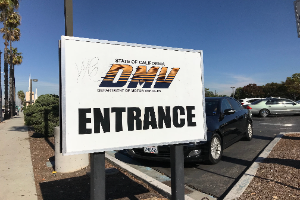
After a DUI arrest, you will be issued a temporary license for 30 days. The DMV will determine the length of your suspension or revocation based on the offense and your prior driving record.
However, you can request a DMV administrative hearing within 10 days of your arrest. To do this, you need to fill out a DMV form, which you can find on the DMV website or at your local DMV office, and submit it along with the required fee.
This hearing is an opportunity for you to present your case and potentially reduce the penalties or regain your license under certain conditions.
How long you lose your license depends on your blood alcohol level, past DUIs, and if you're under 21. Younger drivers face tougher consequences. Here is a review of the various DUI cases.:
- If your BAC was 0.08% or more and you are over 21, a first-offense DUI will result in a driver's license suspension of four months.
- If your BAC was 0.01% or more and you are under 21, a first-offense DUI will result in a driver's license suspension of one year.
- If you refuse to take a chemical test and you are over 21, a first-offense DUI will result in a driver's license suspension of one year. However, if you refuse to take a chemical test for the second time, you will face a more severe penalty, such as a two-year suspension or even a revocation of your license.
- If you refuse to take a chemical test and you are over 21, a second-offense DUI will result in a driver's license suspension of two years or a revocation.
Notably, you must ask for a DMV administrative hearing within 10 days of being arrested. If you miss the deadline, you might face harsher penalties.
If this is your first DUI, you must attend a DUI class and might pay extra fees. Repeat offenders have a harder time getting their licenses back, so it's crucial to talk to a lawyer who can guide you through the process and ensure you adhere to the program rules.
Interlock Devices in Preventing DUIs
The ignition interlock devices (IIDs) have been effective in preventing DUIs. They are required for some people and help to stop DUI drivers from driving unless they pass a breath test.
Before the car can start, the driver must blow into the device at different times while driving. If the device detects alcohol, the car won't start. The use of ignition interlock devices makes a difference by lowering repeat DUI offenses when they are part of a monitoring program. Here is a review of how they are now used:
- A first-time DUI offense with an injury requires a mandatory IID Installation period of one year.
- A second-time DUI offense with an injury requires a mandatory IID Installation period of two years.
- A third DUI offense with no injury requires a mandatory IID Installation period of two years.
- Three or more DUI offenses require a mandatory IID Installation period of three years.
California also makes these devices more affordable, offering reduced fees for people with lower incomes. Also, IIDs need regular checks to ensure they are working properly. They must be checked and adjusted at least every 60 days.
Suppose someone tries to modify the IID. In that case, they could lose their driving rights again. This strict rule highlights the crucial role of ignition interlock devices in preventing DUIs in California in 2025.
DUI Penalties in California for 2025
California drivers need to be aware of the tough DUI penalties ahead. These penalties are designed to reduce drunk driving and make roads safer. Understanding the consequences of DUI offenses can help people avoid making mistakes. Some of the new penalties include the following:
- First-Time Offenders. First-timers facing DUI in California will get at least 96 hours in jail, which can go up to six months, depending on the case. The fines will be between $390 and $1,000.
- Second-Time Offenders. A second DUI can result in a minimum jail time of 90 days and up to a maximum of one year. The fines will also be between $390 and $1,000.
- Repeat Offenders. If you were caught before driving drunk, the punishments get tougher. A second DUI within ten years means at least 90 days in jail and up to a year.
- Felony DUI Charges. A third DUI in ten years is a felony in California. Offenders face at least 120 days in jail and possibly a year, with fines from $390 to $1,000. Serious cases, such as DUI causing injury or death, can lead to even harsher penalties.
What to Do If You're Charged with DUI Under the New Laws
If you're facing a DUI charge under these stricter regulations, it's important to act quickly and strategically. The following checklist outlines critical steps to protect your rights and minimize the consequences:
- Understand the Charges Against You. Begin by familiarizing yourself with the specific DUI charges you're facing. DUI charges in California can vary based on your BAC level, any prior convictions, your driver's classification, and whether you caused an accident. Please obtain a copy of the police report and review it carefully. Look for details that may prove significant later, such as the results of any field sobriety tests, BAC readings, or statements by the arresting officer.
- Request a Hearing with the DMV. Upon being charged with a DUI, you'll likely face both criminal penalties and administrative penalties from the California Department of Motor Vehicles (DMV). You must request a DMV hearing within 10 days of your arrest to challenge the automatic suspension of your driver's license. Missing this deadline means your license will be suspended automatically, even if you contest your case in court. This hearing is separate from your criminal trial, so it's crucial to approach it strategically with sound legal advice.
- Document Everything. Write down everything you remember about the events leading to your arrest. Include details such as how much alcohol you consumed, timing and location of your consumption, conduct of the arresting officer, and any statements you made during the interaction. This information may help identify irregularities in your case, such as procedural errors or violations of your rights.
- Consider Mitigating Factors. Certain mitigating actions can have a positive impact on the court's perception of your case. For instance, voluntarily enrolling in an Alcohol Education Program. Taking this step on your own can demonstrate a willingness to address the issue proactively. You should also secure character references. Letters from employers, family members, or friends can attest to your character and responsibility outside of the incident.
- Follow All Court Orders. If your arrest leads to pretrial conditions, such as sobriety monitoring, an IID requirement, or restricted driving privileges, make sure to adhere to them strictly. Failure to comply can worsen your legal situation and may result in additional charges or penalties.
Talk to an Experienced California DUI Defense Attorney
The broad range of laws and penalties in the new 2025 DUI laws shows California's strategy for dealing with DUI problems. This approach includes strict rules and harsh penalties for breaking them, as well as educational programs to prevent first offenses.
It highlights California's ongoing effort to make roads safer and protect its people. Perhaps the most critical step you can take to protect your rights is consulting with a skilled DUI defense attorney. California DUI laws are complex, and the 2025 updates make them even more nuanced. A qualified attorney will:
- Evaluate your case for potential defenses
- Challenge the validity of evidence, such as BAC test results
- Represent you at both the DMV hearing and in criminal court
- Negotiate plea deals when appropriate
Technology is also becoming key in enforcing DUI laws. We're seeing better breathalyzers and AI that watches driving. Harsher penalties are likely for those who break the law again or have high BAC levels.
Good DUI lawyers are more important than ever. They must be proficient in working with new technology and be familiar with the latest DUI laws for 2025. As DUI charges get more serious, people need the best legal advice.
An experienced Los Angeles DUI lawyer can help minimize penalties, protect your driving privileges, and achieve the best possible outcome based on your circumstances. For more information, contact Eisner Gorin LLP.
Related Content:

 If you have one phone call from jail, call us! If you are facing criminal charges,